
Vitamin D affectionately nicknamed the “sunshine vitamin D,” is one of the most crucial yet frequently overlooked nutrients for human health. Unlike other vitamins that we primarily obtain from food, our bodies can produce vitamin D when exposed to sunlight—a remarkable biological process that highlights its unique importance.
This fat-soluble vitamin functions more like a hormone than a traditional vitamin, regulating numerous physiological processes throughout the body. From strengthening bones to enhancing immune function, vitamin D plays a starring role in maintaining overall wellness. Yet, despite its significance, vitamin D deficiency remains a global health concern, affecting nearly 1 billion people worldwide.
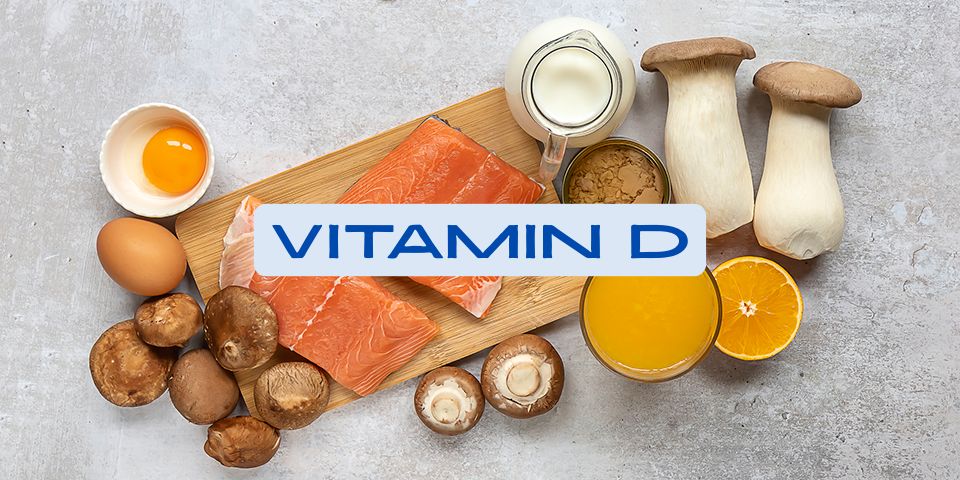
In this in-depth guide, we’ll explore everything you need to know about vitamin D, including:
- How does vitamin D work in the body?
- Its wide-ranging health benefits.
- The best natural sources.
- Signs and risks of deficiency.
- How much do you really need?
- Safe ways to optimize your levels.
By the end, you’ll understand why this “sunshine vitamin D” is so vital—and how to ensure you’re getting enough for lifelong health.
What Exactly Is Sunshine Vitamin D?
This is a unique nutrient that comes in two main forms:
- Vitamin D2 (Ergocalciferol) – Present in certain plant sources such as mushrooms and commonly added to fortified foods.
- Vitamin D3 (Cholecalciferol) – Produced in the skin when exposed to sunlight and found in animal-based foods.
Both forms must undergo activation in the liver and kidneys before the body can use them. However, research suggests that D3 is more effective at raising and maintaining vitamin D levels in the blood.
How Sun Exposure Generates Vitamin D in Your Body
The process begins when UVB rays from sunlight hit the skin, converting a cholesterol derivative (7-dehydrocholesterol) into pre-vitamin D3, which then undergoes a chemical reaction to become vitamin D3. This miraculous natural process explains why moderate sun exposure is the best way to obtain vitamin D.
However, several factors influence how much vitamin D your skin produces:
- Skin pigmentation (darker skin requires more sun exposure)
- Geographic location (people farther from the equator get less UVB)
- Time of day and season (midday sun in summer is most effective)
- Use of sunscreen (SPF 30+ reduces vitamin D synthesis by 95%)
Unexpected Health Benefits You Should Know
- Stronger Bones and Teeth:- Vitamin D’s most well-known role is in calcium absorption. Without enough vitamin D, the body can only absorb 10-15% of dietary calcium, compared to 30-40% with sufficient levels. This makes it essential for:
- Preventing rickets (soft bones in children).
- Avoiding osteomalacia (bone softening in adults).
- Reducing osteoporosis and fracture risk in older adults.
- Immune System Support:- Vitamin D acts as an immune modulator, helping the body fight infections while preventing excessive inflammation. Research shows it can:
- Lower the chance of respiratory illnesses, such as the flu and colds.
- Lower the likelihood of autoimmune diseases (like multiple sclerosis and rheumatoid arthritis)
- Help regulate inflammatory responses.
- Heart Health Protection:- Studies link optimal vitamin D levels with:
- Lower blood pressure.
- Reduced risk of heart disease and stroke.
- Improved endothelial function (blood vessel health)
- Mood Enhancement and Mental Wellbeing:- Low vitamin D levels are strongly associated with:
- Depression (especially seasonal affective disorder)
- Anxiety
- Cognitive decline in older adults.
- This is because vitamin D helps regulate serotonin, a neurotransmitter that influences mood.
- Potential Role in Weight Management:- Some research suggests that adequate vitamin D may:
- Support healthy metabolism.
- Help regulate appetite hormones.
- Reduce fat storage.
- Lower Risk of Chronic Diseases:- Emerging studies indicate vitamin D may play a role in preventing:
- Type 2 diabetes (by improving insulin sensitivity)
- Certain cancers (including breast, colon, and prostate)
- Neurodegenerative diseases (like Alzheimer’s)
Best Natural Sources of Sunshine Vitamin D for Optimal Health
Sunlight: The Most Natural Source
- 15-30 minutes of midday sun exposure (between 10 AM and 3 PM)
- Arms, legs, or back exposed (no sunscreen for optimal absorption)
- Frequency: two to three times a week (more frequently for darker skin tones)
Fatty Fish and Seafood (Rich in D3)
- Wild-caught salmon (600-1000 IU per 3.5 oz)
- Mackerel, sardines, and tuna.
- Cod liver oil (1,300 IU per tablespoon)
Fortified Foods
- Milk and plant-based milk (100 IU per cup)
- Orange juice and cereals.
- Some yogurts and cheeses.
Egg Yolks and Mushrooms
- Egg yolks (40 IU per yolk)
- UV-exposed mushrooms (similar to D2 production in humans)
Supplements (When Needed)
- Vitamin D3 is preferred over D2.
- Common doses: 1,000–4,000 IU daily (depending on deficiency level)
- Always consult a doctor for high-dose supplementation.
The Hidden Dangers of Vitamin D Deficiency Most People Ignore
- Who Is at Risk?
- People with limited sun exposure (office workers, elderly, those in northern climates)
- Individuals with darker skin (higher melanin reduces synthesis)
- Those who always wear sunscreen or cover their skin.
- People with digestive disorders (Crohn’s, celiac disease)
- For people who are overweight, their fat tissue traps vitamin D.
- Warning Signs of Deficiency
- Bone pain or lower back aches.
- Frequent infections or slow healing.
- Depression or mood swings.
- Hair loss
- Long-Term Risks of Deficiency
- Osteoporosis and fractures.
- Increased risk of heart disease.
- Higher susceptibility to autoimmune disorders.
- Cognitive decline
Recommended Daily Intake and Safe Limits of Sunshine Vitamin D
The amount of vitamin D needed varies by age and life stage. Infants (0-12 months) require 400 IU daily, with a safe upper limit of 1,000-1,500 IU. Children (1-18 years) need 600 IU per day, with a maximum safe intake of 2,500-3,000 IU. For adults (19-70 years), the recommended daily intake remains at 600 IU, with a safe upper limit of 4,000 IU. Seniors (70+ years) benefit from slightly more—800 IU daily—while staying within the same 4,000 IU upper limit. Pregnant women should also aim for 600 IU daily, with 4,000 IU as the safe maximum.
Note: Individuals with diagnosed vitamin D deficiency may require higher short-term doses, but this should always be supervised by a healthcare provider to avoid potential toxicity.
The Most Effective Ways to Raise Your Vitamin D Levels Safely
- Get Smart Sun Exposure
- Try to take sunlight for 15-30 minutes during the midday.
- Expose arms, legs, or back for maximum absorption.
- Eat Vitamin D-rich Foods Daily
- Consume more eggs, fatty fish, and fortified foods.
- Consider Supplementation if Needed
- D3 supplements (1,000–2,000 IU/day for maintenance)
- Get blood tested (optimal range: 30-50 ng/mL)
- Maintain a Healthy Weight
- Obesity can lower bioavailable vitamin D.
- Monitor Levels Annually
- Especially important for high-risk groups.
Conclusion: Embrace the Power of Sunshine Vitamin D
Vitamin D is far more than just a “bone vitamin”—it’s a critical regulator of overall health, influencing immunity, mood, heart health, and disease prevention. While sunlight is the best natural source, many people still fall short due to modern lifestyles.
By prioritizing safe sun exposure, eating vitamin D-rich foods, and supplementing wisely, you can harness the full benefits of this sunshine vitamin D—ensuring stronger bones, a resilient immune system, and long-term vitality.
✅Take action today: Get some sun, enjoy a salmon dinner, or talk to your doctor about testing. Your body will thank you for it!
👉Want to optimize your overall wellness? Discover how something as simple as sleep direction can impact your health in our guide to the best direction to sleep for optimal rest and rejuvenation.
🪄For more health optimization tips:
- Follow us on Instagram for daily wellness hacks.
- Join our Facebook community of health-conscious readers.
- Pin your favorite health tips on Pinterest.