
Are you a vegetarian looking to boost your protein intake without relying on meat? You’re in the right place! India’s rich culinary heritage offers an incredible variety of plant-based, protein-packed foods that can fuel your muscles, keep you full, and support overall health. In this blog, we’ll explore the best high protein vegetarian foods in India — delicious, affordable, and easy to include in your daily diet, if you’re into fitness, have a busy schedule, or simply want to eat healthier, these protein-packed options can help you get the nutrients you need.

Why protein is essential for your body
Protein works hard behind the scenes to keep your body running smoothly. Think of your muscles like a busy construction site every time you move, tiny tears form that protein helps repair, making your muscles stronger over time. While athletes need protein to perform their best, even people who don’t exercise much need it to keep their muscles healthy, especially as they get older. Without enough protein, muscles get weaker, energy drops, and everyday activities become tougher.
But protein does more than just help muscles. Unlike carbs, which can cause energy crashes, protein digests slowly, keeping your blood sugar steady and your hunger in check. That’s why meals with dal, paneer, or sprouts keep you full for hours, while processed snacks leave you hungry quickly. High protein vegetarian foods in india like dal, paneer, and sprouts are not only tasty but also packed with nutrients that benefit your body. Lentils and chickpeas act like small protein bundles, slowly giving you energy and keeping you full for hours.
“Looking for high protein vegetarian foods in India? Here are the top options!”
1. Paneer : Why This Indian Cheese is a Vegetarian Superstar
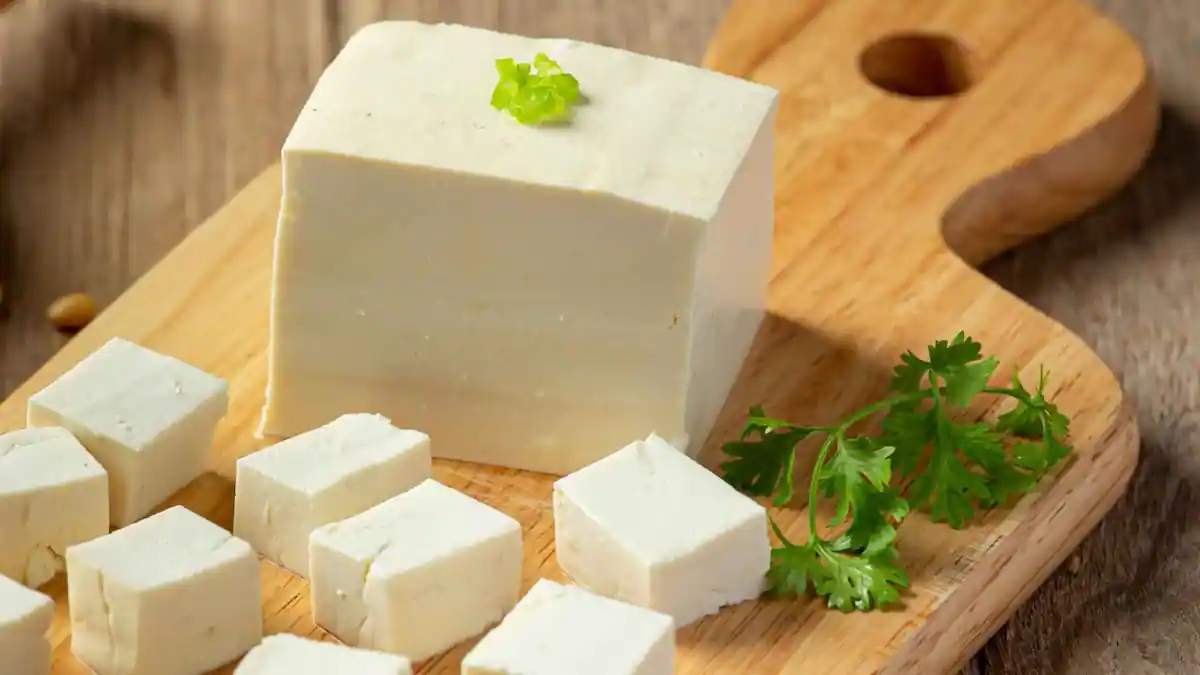
Paneer, the beloved Indian cottage cheese, isn’t just delicious—it’s a protein powerhouse that vegetarians across the country rely on. Whether you’re a fitness enthusiast, a growing teen, or just someone looking to eat healthier, paneer offers an easy and tasty way to meet your daily protein needs. But how much protein does it really contain, and how does it compare to other vegetarian sources? Let’s break it down.
A typical 100-gram serving of paneer contains around 18 to 20 grams of protein, making it one of the best high-protein options for vegetarians.
- A small paneer cube weighing about 30 grams has 6 grams of protein.
- One cup of crumbled paneer, contains around 35 grams of protein.
This makes paneer an excellent choice for those looking to build muscle, recover after workouts, or simply stay full longer.
Why Paneer is the good source of high protein vegetarian foods in india
Unlike many plant-based proteins, paneer is a complete protein, meaning it includes all nine essential amino acids that your body needs but cannot make on its own. These amino acids are crucial for:
- Muscle repair and growth
- Stronger bones (thanks to its calcium content)
- Better metabolism and energy levels
Plus, paneer is low in carbs and high in healthy fats, making it great for keto diets, weight loss, and balanced nutrition.
2. Soyabean : The Ultimate Plant-Based Powerhouse for Indian Diets
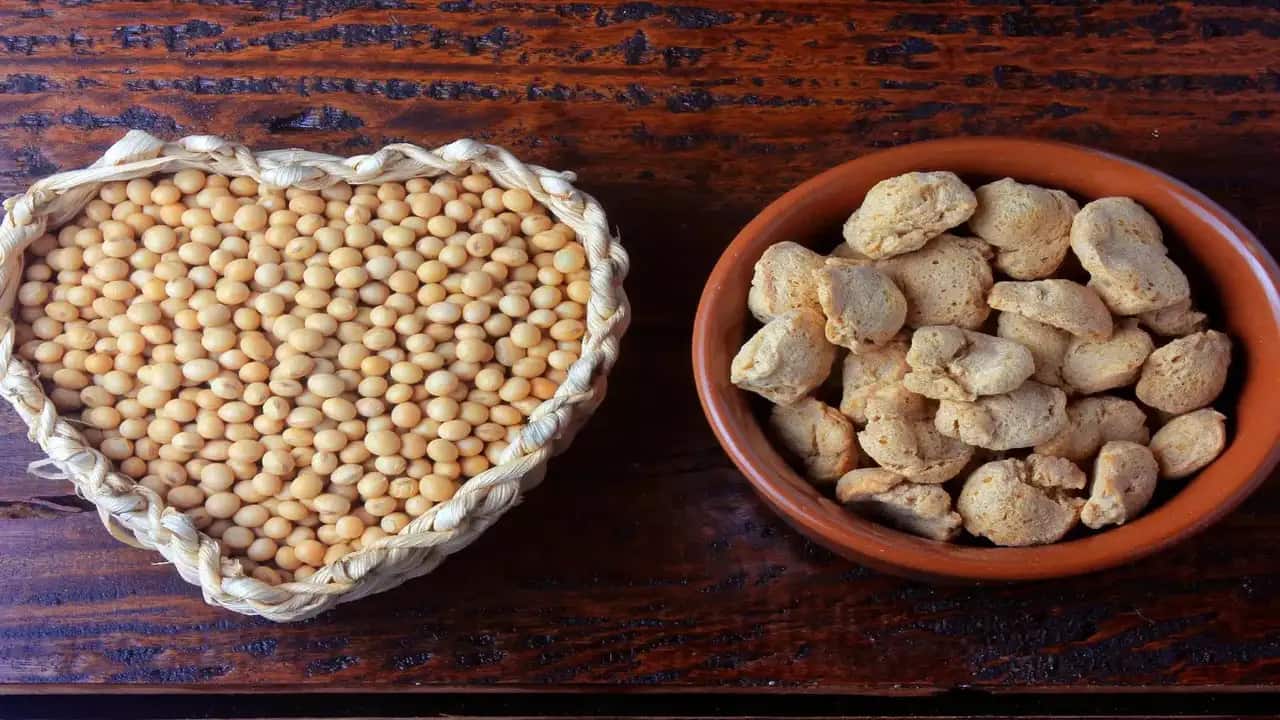
Soybeans have emerged as one of the most nutrient-dense, high protein vegetarian foods in India. Whether you’re a fitness enthusiast, vegan, or simply looking to improve your diet, soy offers an impressive complete protein profile that rivals even meat in terms of quality. What kind of protein is this in comparison to others? Let’s take a closer look.
Complete Protein with All Essential Amino Acids
Unlike most plant-based proteins (such as lentils or chickpeas), soy contains all nine essential amino acids that the body cannot produce on its own. This makes it a rare complete vegetarian protein source , comparable to eggs, dairy, and meat.
- Protein per 100g of cooked soybeans: about 16-18g.
- Protein per 100g of soy chunks or nuggets (dry weight): about 50-52g
Soy protein has a high Protein Digestibility Corrected Amino Acid Score (PDCAAS) of 1.0, meaning it’s absorbed efficiently by the body—just like animal protein.
Supports Muscle Growth & Recovery
- Ideal for athletes, bodybuilders, and fitness lovers due to its branched-chain amino acids (BCAAs).
- Helps in muscle repair post-workout.
Weight Loss & Metabolism Booster
- It’s low in carbs and high in fiber, so it helps you stay full for longer.
- Boosts metabolism due to its thermic effect.
Heart-Healthy & Cholesterol-Free
- Contains healthy unsaturated fats and zero cholesterol.
- Studies show it might help reduce bad LDL cholesterol.
3. Lentils (Dal) : The Humble Protein Powerhouse of Indian Cuisine
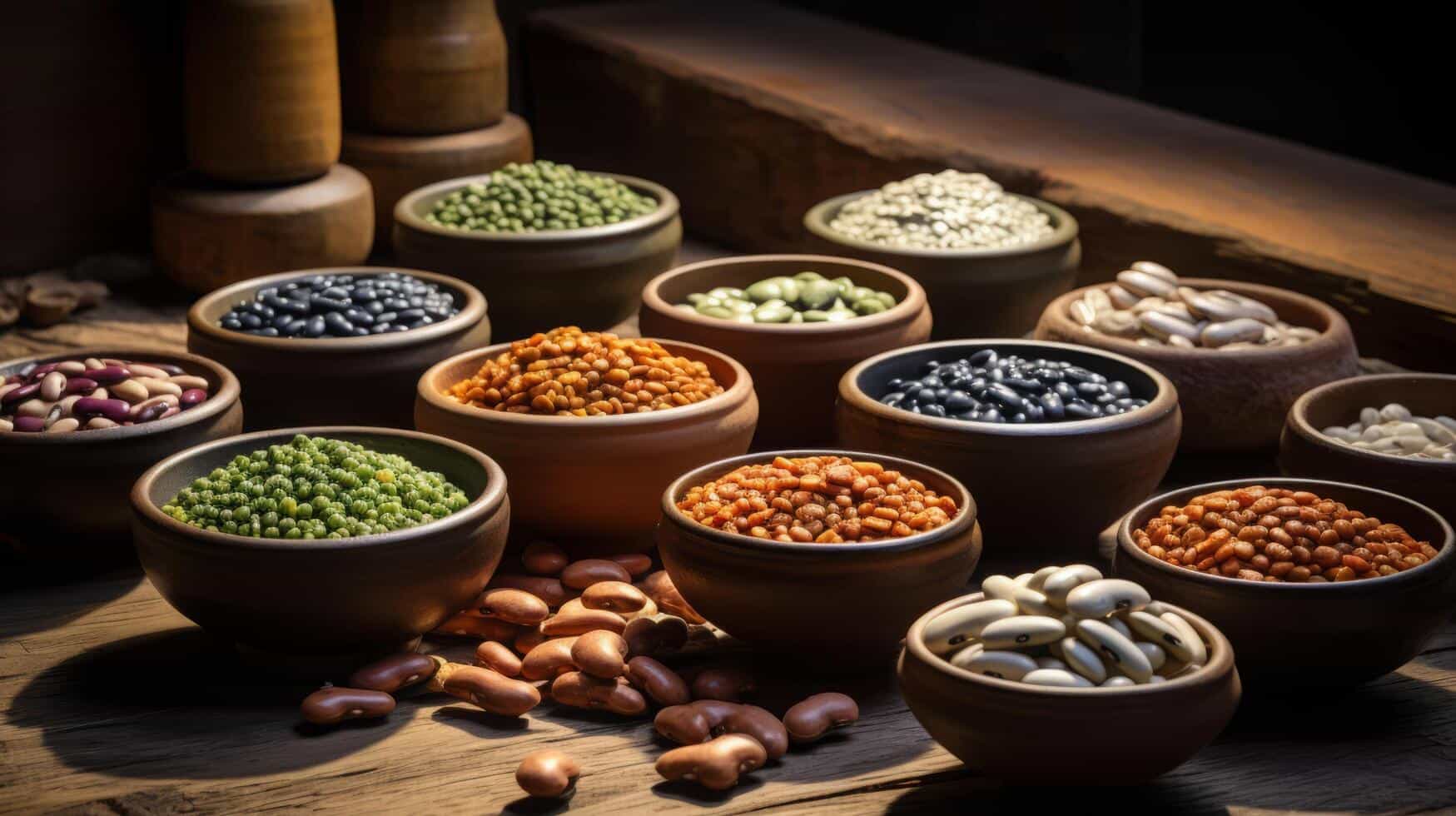
When it comes to high protein vegetarian foods in india, lentils (dal) are the undisputed champions. It’s more than just comfort food—it’s packed with nutrients, rich in protein, and easy on the budget as a plant-based source of nutrition. But how much protein do lentils really provide? How do different types compare? And what’s the best way to maximize their protein benefits? Let’s break it down.
High Protein Content (Varies by Type)
Lentils Type protein per 100 grams (Cooked)
- masoor dal (red lentils) (9 grams protein)
- Moong Dal (green gram dal) (7 grams protein)
- Toor Dal (Pigeon Peas) (7 grams protein)
- Chana Dal (bengal gram) (9 grams protein)
- Urad Dal (black lentils) (8 grams protein)
Complete Protein When Paired with Grains
Lentils are low in methionine, which is an essential amino acid, but they have a lot of lysine. When combined with rice, roti, or quinoa, they form a complete protein—just like dal-chawal or khichdi!
Fiber & Nutrient Boost
- It is high in fibre which helps in digestion and keeps you full.
- Wealthy in iron, folate, and potassium, it keeps the blood healthy and increases energy.
- Its low glycemic index also helps keep blood sugar levels stable.
How to Maximize Lentils Protein Absorption
To maximize protein absorption from lentils, it’s important to prepare and pair them strategically. Since lentils lack certain essential amino acids like methionine, combining them with grains such as rice, wheat, or quinoa creates a complete protein profile—think classic Indian pairings like dal-chawal provides you all nine essential amino acids. Soaking or sprouting lentils before cooking can significantly enhance their protein bioavailability by reducing anti-nutrients like phytic acid, which otherwise inhibit mineral absorption. Fermenting lentils, as done in dishes like dosa or idli batter, further breaks down complex proteins into more digestible forms.
Pair with grains for complete protein
- Dal + Rice (Khichdi)
- Dal + Roti
- Sprouted Moong + Quinoa Salad
Soak or Sprout for Better Digestion
- Sprouted moong dal has higher protein bioavailability.
- Soaking reduces anti-nutrients like phytic acid.
Ferment for Enhanced Nutrition
- Dosa or idli batter, made by fermenting urad dal and rice, helps increase protein absorption.
4. Chickpeas (Chana) : The Fiber-Packed Protein Gem of Indian Cuisine
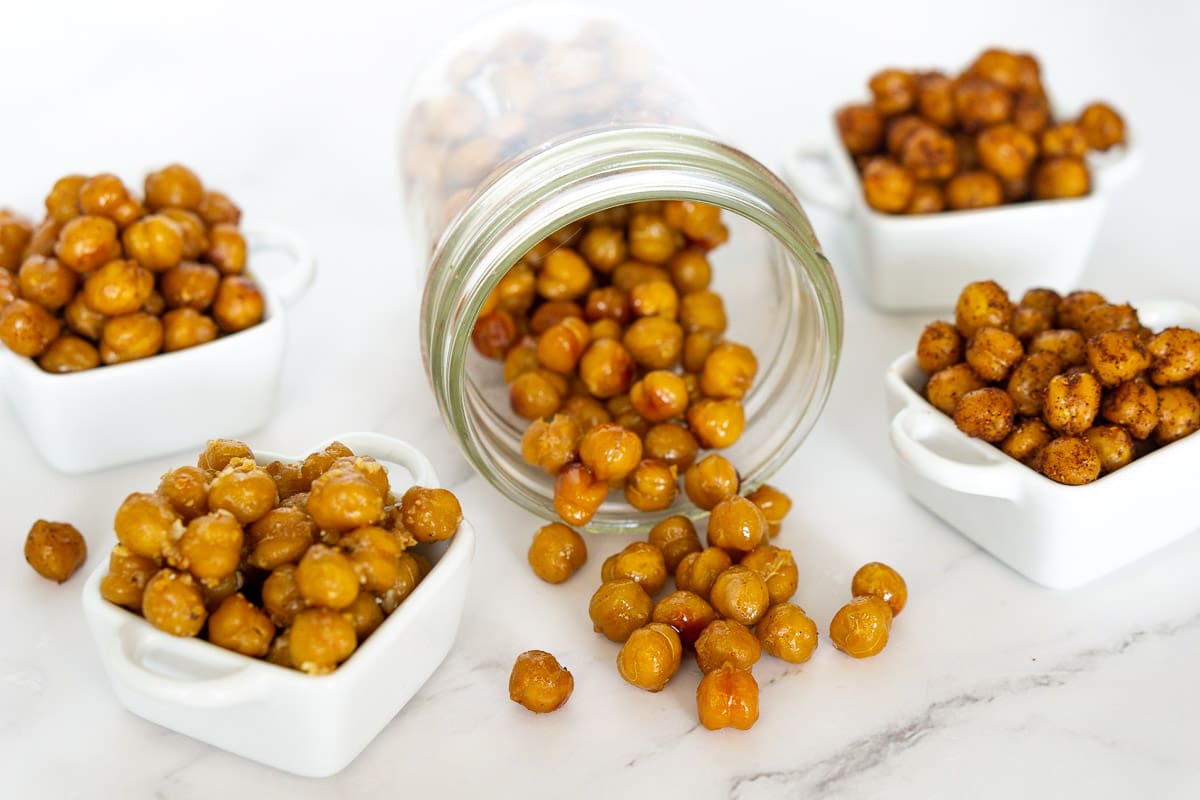
Chickpeas, or chana, are one of India’s most beloved legumes, celebrated not just for their hearty taste but also for their impressive protein and fiber content. A staple in everything from spicy curries to crunchy snacks, chickpeas offer a nutrient-dense, plant-based protein that supports muscle health, digestion, and long-lasting energy. But how much protein do they actually have? what’s the best way to eat them for maximum benefits? Let’s explore.
Why are chickpeas included in the list of high protein vegetarian foods in India?
Solid Protein Content (With a Fiber Bonus)
- A 100 gm of cooked chana contains about 9 gm of protein.
- Roasted chana hold 12 grams of protein in 30 gram of portion.
- Chickpea flour (besan) contains about 20 grams of protein per 100 grams
High in Fiber for Satiety & Digestion
Chickpeas have both protein and fiber, which makes them ideal for:
- Weight management (keeps you full longer)
- Gut health (feeds good gut bacteria)
- Blood sugar control (low glycemic index)
Rich in Key Nutrients & Versatile
Beyond protein, chickpeas provide:
- Iron (combat fatigue, especially for vegetarians)
- Folate (supports brain and heart health)
- Zinc & magnesium (immunity and muscle function)
From chana masala to hummus to besan chilla, chickpeas fit perfectly into many dishes all across India.
How to Maximize Chickpeas Protein Absorption
Just like lentils chickpeas also lack in amino acids so to maximize protein absorption from chickpeas, strategic preparation and pairing are key. While chickpeas are rich in protein, they lack sufficient amounts of the essential amino acid methionine, making them an incomplete protein source. This limitation can be easily overcome by combining them with whole grains like wheat (rotis/chapatis), rice, or quinoa to create a complete protein profile – think classic Indian combinations like chana masala with roti or chana pulao. Soaking dried chickpeas for 8-12 hours before cooking significantly improves protein bioavailability by reducing anti-nutrients like phytic acid that inhibit mineral absorption. Sprouting chickpeas takes this a step further, increasing protein content and making nutrients more accessible.
Pair with Grains or Seeds
- Chana with Roti (wheat)
- Hummus with Whole-grain pita
- Besan chilla with Sesame seeds
Soak Before Cooking
Reduces anti-nutrients (like phytic acid) for better protein and mineral absorption.
Sprout for a Protein Boost
Sprouted chana has higher protein bioavailability and digestibility.
Ferment for Enhanced Nutrition
Dishes like dhokla (fermented besan) improve protein absorption.
5. Milk : Nature’s Complete Protein Powerhouse
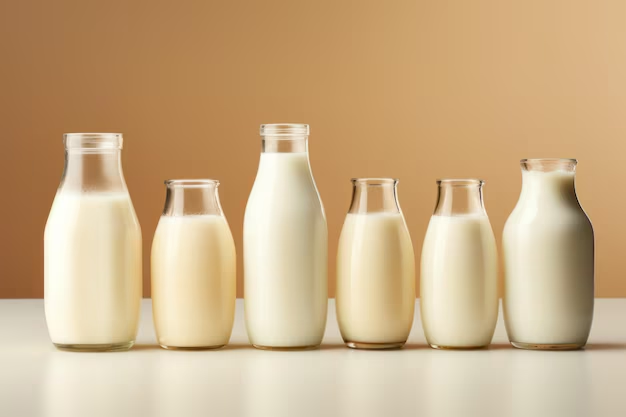
Milk has been a dietary staple across cultures for centuries, and for good reason—it’s one of the most nutrient-dense, natural sources of complete protein. Whether you drink it plain, add it to smoothies, or consume it as yogurt or paneer, milk provides high-quality protein that supports muscle growth, bone health, and overall wellness.
But how much protein does milk really contain?
Milk is an excellent source of high-quality protein.
- regular cow’s milk provides about 3.2–3.5g of protein per 100ml (8–9g per glass),
- while richer buffalo milk contains 4.5–5g per 100ml (11–12.5g per glass).
- Skim milk offers slightly more protein 3.4g per 100ml (8.5g per glass) with reduced fat.
Complete Protein Profile
Milk contains two primary proteins:
- Whey (20%) – Fast-digesting, rich in branched-chain amino acids (BCAAs), ideal for muscle recovery.
- Casein (80%) – Slow digesting, provides continuous amino acid release, great for overnight rebuild.
Together, they supply all nine essential amino acids, making milk protein as effective as eggs or meat for muscle building and repair.
Boosts Muscle Growth & Recovery
- Whey protein is absorbed quickly, which makes it a good choice to take immediately after a workout.
- Casein releases amino acids slowly, which is good to take at night before sleeping so that our muscle breakdown does not occur.
Supports Bone Health
Milk protein works cooperatively with calcium to strengthen bones and prevent osteoporosis.
Enhances Immunity
Bioactive peptides in milk protein help strengthen the immune system and reduce inflammation.
Best Ways to Consume Milk Protein
- Post-Workout: Chocolate milk (natural carbs + protein)
- Breakfast: Oatmeal with milk + nuts
- Snack: Yogurt with seeds & honey
- Dinner: Turmeric milk (haldi doodh) for recovery
6. Tofu : The Versatile Star of High Protein Vegetarian Foods in India
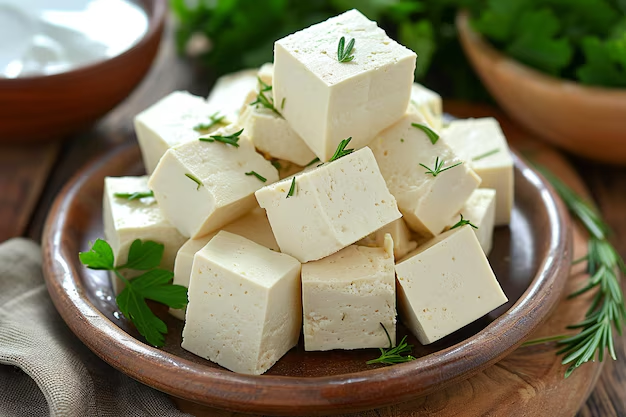
Tofu is made from condensed soy milk, stands tall among high protein vegetarian foods in India, delivering 8-10g of complete protein per 100g. Unlike most plant proteins, tofu boasts all nine essential amino acids, rivaling animal-based options like eggs and dairy—a rarity in vegetarian diets. Its chameleon-like texture and neutral taste make it a kitchen superstar, soaking up spices in curries, crisping perfectly in stir-fries, scrambling, or even blending into creamy desserts. Whether you’re vegan, fitness-focused, or simply exploring protein-rich vegetarian palette, tofu adapts effortlessly to regional flavors—from spicy tofu bhurji to coconut-based tofu curries. Pair it with roti or rice, and you’ve got a muscle-nourishing meal that’s as traditional as it is nutritious.
Health Benefits Beyond Protein
- ✅Heart-Healthy – Lowers bad cholesterol (LDL)
- ✅Rich in Iron & Calcium – Supports blood and bone health
- ✅Isoflavones – May reduce menopause symptoms and cancer risk
- ✅Low-Calorie – Ideal for weight loss (70–100 kcal per 100g)
7. Greek yoghurt (Dahi) : The Creamy Muscle-Boosting Superfood
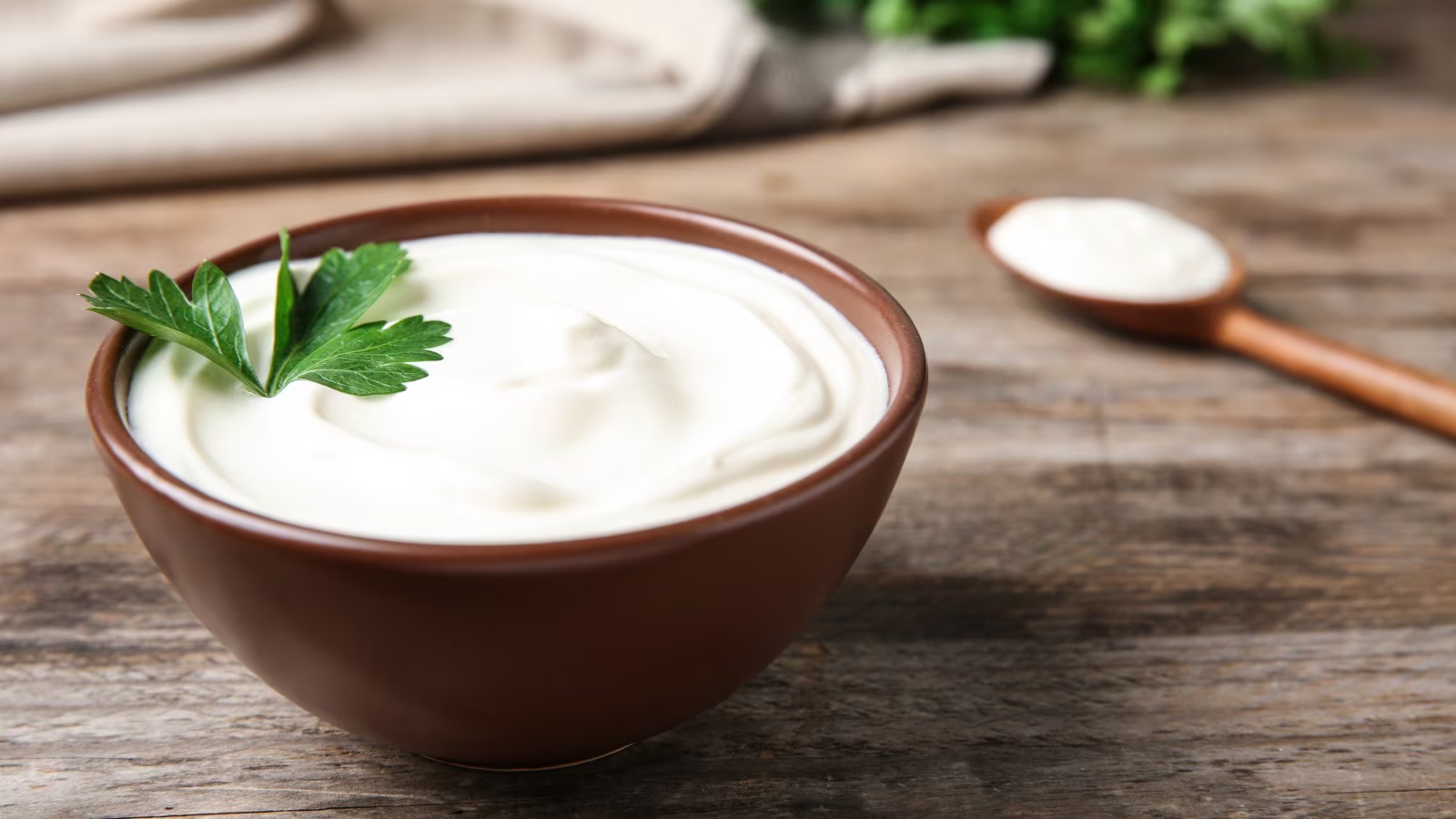
Greek yoghurt, also known as strained dahi, is a protein rich dairy product that has almost twice the protein of regular yoghurt. A 100g serving delivers 10g of high-quality protein, making it an ideal choice for muscle recovery, weight loss, and gut health. Unlike plant-based proteins, Greek yoghurt provides all nine essential amino acids, including leucine, which triggers muscle growth.
Protein Content in Different Yogurt Types
Greek yoghurt has 9 to 11 grams of protein per 100 grams, which is about twice the amount found in regular yoghurt. A single 170g cup delivers 15–20g complete protein, making it a muscle-friendly, gut-healthy powerhouse.
Regular Curd contains 4 – 5 grams of protein per 100g , 150g bowl provides 8g of protein and also Contains natural probiotics for gut health.
How to Maximize Greek Yoghurt’s Protein Benefits
- Pair with Nuts/Seeds – Adds healthy fats & fiber (e.g., almonds, chia).
- Blend in Smoothies – Boosts protein without altering taste.
- Swap for Mayo/Sour Cream – Cuts calories, adds protein in dips/dressings.
8. Nuts and Seeds : Tiny But Mighty Powerhouses
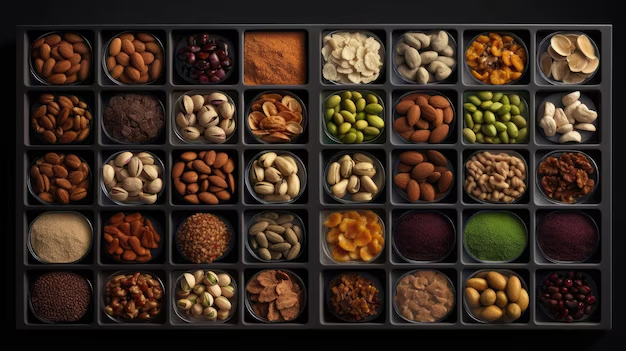
Nuts and seeds rightfully earn their place as nutritional powerhouses among high protein vegetarian foods in India. They provide a strong mix of protein, healthy fats, fiber, and important minerals in small servings. For the peoples looking for high protein vegetarian foods, nuts and seeds offer an easy, no-cook way to meet daily needs while adding crunch and flavor to every bite.
Protein content in Nuts & Seeds
Nuts are excellent plant-based protein sources, with peanuts leading at 26g per 100g, followed by almonds (21g), pistachios (20g), and cashews (18g). While not complete proteins (they lack some essential amino acids), they’re packed with healthy fats, fiber, and minerals like magnesium and vitamin E. A small 30g handful provides 5-8g protein – perfect for snacking, adding to oatmeal, or blending into nut butter. For better digestion, soak them overnight and eat them with whole wheat or other grains to get a complete protein.
How to Maximize Protein Absorption
- Soak or Sprout – Reduces anti-nutrients (e.g., overnight soaked almonds).
- Pair with Grains – Combines amino acids (e.g., peanut butter on whole wheat).
- Roast Lightly – Improves digestibility (avoid high heat).
- Grind Seeds – Enhances nutrient absorption (flaxseeds, chia).
Final Bite: Start Your Protein Journey!
You now know best high protein vegetarian foods in india – from paneer to sprouts! Remember, great nutrition doesn’t need meat. Build the perfect diet with these high protein vegetarian foods in India for breakfast, lunch and dinner. Ready to transform your meals? Your move:
- Try one new protein food today
- Share this guide
- Comment your favorite!
Vegetarian protein power is on your plate 🥦💪
Join Our Wholesome Community➡️Instagram☎️
“New to strength training? Master the basics with our https://wholesomemode.in/first-day-at-gym/ guide before attempting advanced moves.”